

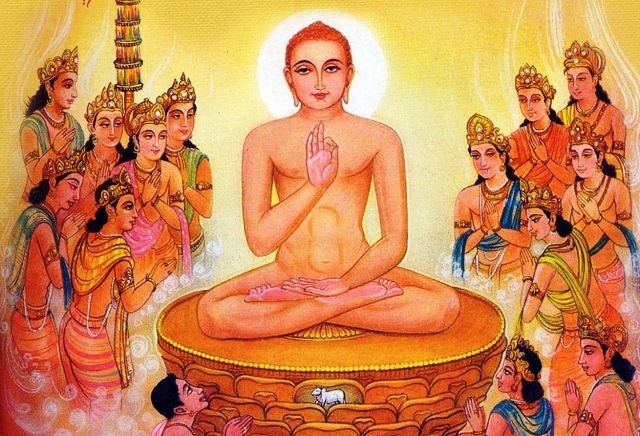
Jainism, Indian religion teaching a path to spiritual purity and enlightenment through disciplined nonviolence (ahimsa, literally “non-injury”) to all living creatures.
Overview
Along with Hinduism and Buddhism, Jainism is one of the three most ancient Indian religious traditions still in existence and an integral part of South Asian religious belief and practice. While often employing concepts shared with Hinduism and Buddhism, the result of a common cultural and linguistic background, the Jain tradition must be regarded as an independent phenomenon rather than as a Hindu sect or a Buddhist heresy, as some earlier Western scholars believed.
The name Jainism derives from the Sanskrit verb ji, “to conquer.” It refers to the ascetic battle that, it is believed, Jain renunciants (monks and nuns) must fight against the passions and bodily senses to gain enlightenment, or omniscience and purity of soul. The most illustrious of those few individuals who have achieved enlightenment are called Jina (literally, “Conqueror”), and the tradition’s monastic and lay adherents are called Jain (“Follower of the Conquerors”), or Jaina. This term came to replace a more ancient designation, Nirgrantha (“Bondless”), originally applied to renunciants only.
Jainism has been confined largely to India, although the recent migration of Indians to other, predominantly English-speaking countries has spread its practice to many Commonwealth nations and to the United States. Precise statistics are not available, but it is estimated that there are more than six million Jains, the vast majority of whom live in India.

Key Concepts
Ahimsa (Nonviolence):
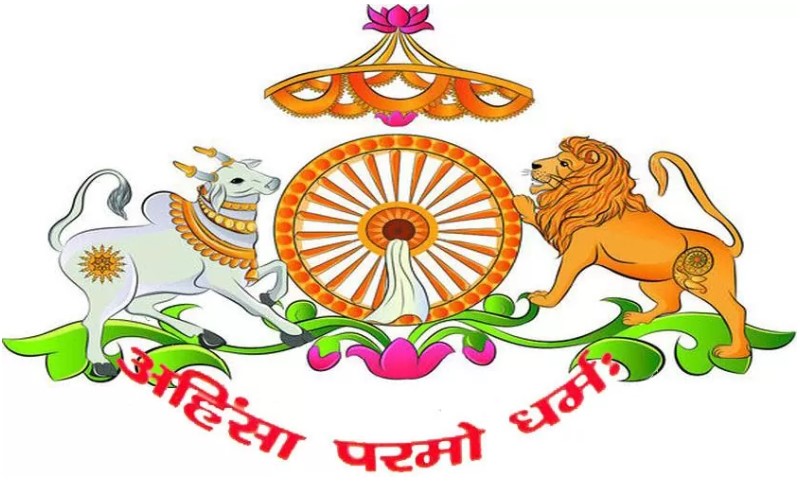
The central principle of Jainism, enjoining avoidance of injury to any living being through body, mind, or speech.
Moksha (Liberation):
The ultimate goal of Jain practice, which is to achieve freedom from the cycle of birth and death (samsara) and attain eternal peace.
Tirthankaras:
The 24 great teachers or “ford-makers” who attained omniscience and preached the Jain path to others; the last was Lord Mahavira.
Three Jewels (Ratnatraya):
The pillars of the Jain path: right faith (Samyak Darshana), right knowledge (Samyak Jnana), and right conduct (Samyak Charitra).
Practices
Asceticism:
Jains follow strict moral codes, with monks and nuns practicing celibacy, fasting, meditation, and non-attachment to material possessions.
Vegetarianism:
A direct manifestation of ahimsa, Jains adhere to a strict vegetarian diet, extending to vegan practices to avoid harming any living beings.
Self-Help:
Jainism emphasizes that individuals must rely on their own efforts and self-discipline to achieve spiritual liberation, rather than depending on gods or external spiritual beings.